
Pinckneyville Community Hospital Warns of Possible Scam Calls
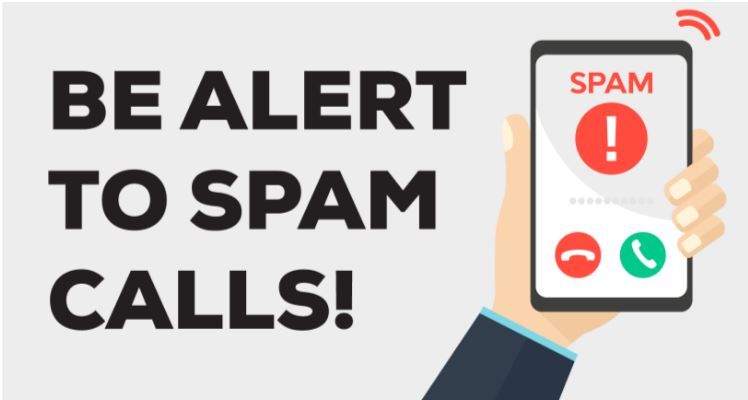
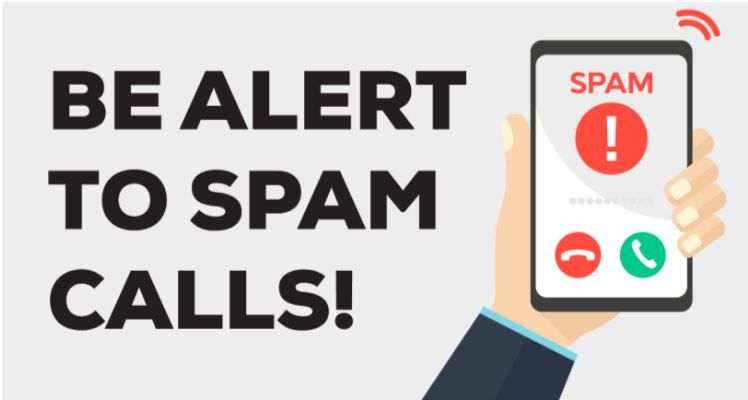
Pinckneyville Community Hospital (PCH) officials have been made aware of and want to advise local residents about a couple of different phone and email scams in our area involving callers posing as representatives from PCH or the Family Medical Center.
Patients have indicated that individuals have reached out to them via telephone indicating they are from the Family Medical Center and asking for information regarding specific health conditions that the patient may have in order to gather personal information from patients.
Another patient indicated they had received an email that resembled PCH’s patient portal but didn’t have PCH’s name or logo on it. When the patient clicked on a link provided, the fake page sent the patient to a QR page that encouraged the patient to scan the QR code. The patient indicated they then closed the link.
Luckily, in both cases, the patients determined that these attempts were fraudulent.
“Scams such as these have been targeting hospital patients nationwide, and unfortunately, our rural area is not immune as we are learning that local patients are receiving calls and emails from scammers, pretending to be their local hospital or clinic, in attempt to obtain confidential, personal information about the patients or their family members,” explained Randy Dauby, PCH’s CEO. “Healthcare scams such as these tend to increase during the current ongoing Medicare Enrollment season.”
“Please help us educate your family, friends, neighbors and others about these serious and disgraceful scams,” Dauby asked. “Be very careful and cautious when asked to give specific information on the phone. If you doubt that a call is legitimate, hang up and call the hospital at (618) 357-2187 or The Family Medical Center directly at (618) 357-2131. If it is from us, we will welcome your return call and understand your hesitation.”
When PCH and the Family Medical Center communicate with you, here are some things to know:
- While our staff may ask for personal information for billing or payment purposes, we will never demand that you provided it and you have the right to decline over the phone.
- We may contact you to confirm an appointment or complete pre-registration tasks or follow up on a visit.
- We may contact you to offer payment resolution options or financial assistance, but we will not make demands or threats.
- We may send overdue accounts to a collections agency that may contact you to obtain payment. Our collection agencies follow all regulatory requirements.
Here are some additional tips:
- If you have not been a patient at PCH or the Family Medical Center or are not currently scheduled for a medical procedure, it is unlikely that you would be receiving a call from the hospital.
- If you are a PCH or Family Medical Center patient and you are unsure as to why you would receive a call from us, ask for the caller’s name, hospital department and a direct phone number to call them back.
- Never give out personal information such as account numbers, Social Security Numbers, Medicare ID Numbers, Mother’s Maiden Name, passwords, or other identifying information in response to unexpected calls or if you are suspicious of the call.
- Decline promotional gifts in exchange for personal information. Beware of “free” offers.
- Don’t answer calls from numbers you don’t recognize, even if the caller ID appears to be local. If you do answer such a call and become suspicious, hang up immediately.
Also, the Federal Communications Commission offers these tips:
- You may not be able to tell right away if an incoming call is spoofed. Be careful about responding to ANY request for personal identifying information.
- If you get an inquiry from someone who says they represent a company or a government agency seeking personal information, hang up and call the phone number on your account statement, in the phone book or on the company's or government agency's website to verify the authenticity of the request.
- Use caution if you are being pressured for information immediately.
- If you have a voicemail account with your phone service, be sure to set a password for it. Some voicemail services are preset to allow access if you call in from your own phone number. A hacker could spoof your home phone number and gain access to your voice mail if you do not set a password.
If you receive a call and you suspect Caller ID information has been falsified, or you think the rules for protecting the privacy of your telephone number have been violated, you can file a complaint with the FCC. You have multiple options for filing a complaint with the FCC:
File a complaint online
By phone: 1-888-CALL-FCC (1-888-225-5322); TTY: 1-888-TELL-FCC (1-888-835-5322); ASL Videophone: 1-844-432-2275
By mail (please include your name, address, contact information and as much detail about your complaint as possible):
Federal Communications Commission
Consumer and Governmental Affairs Bureau
Consumer Inquiries and Complaints Division
45 L Street NE
Washington, DC 20554